


Environment
Latest Stories

STANDALONE_004.JPG
The 2014 U.S. Capitol Christmas Tree arrives by flatbed truck from Chippewa National Forest in Cass Lake, Minnesota and is set down in the ground on the West Lawn of the U.S. Capitol Building, Washington, D.C., Friday, November 21, 2014. (Andrew Harnik/The Washington Times)

STANDALONE_008.JPG
The 2014 U.S. Capitol Christmas Tree arrives by flatbed truck from Chippewa National Forest in Cass Lake, Minnesota and is set down in the ground on the West Lawn of the U.S. Capitol Building, Washington, D.C., Friday, November 21, 2014. (Andrew Harnik/The Washington Times)

STANDALONE_002.JPG
The 2014 U.S. Capitol Christmas Tree arrives by flatbed truck from Chippewa National Forest in Cass Lake, Minnesota and is set down in the ground on the West Lawn of the U.S. Capitol Building, Washington, D.C., Friday, November 21, 2014. (Andrew Harnik/The Washington Times)

STANDALONE_007.JPG
The 2014 U.S. Capitol Christmas Tree arrives by flatbed truck from Chippewa National Forest in Cass Lake, Minnesota and is set down in the ground on the West Lawn of the U.S. Capitol Building, Washington, D.C., Friday, November 21, 2014. (Andrew Harnik/The Washington Times)

STANDALONE_005.JPG
The 2014 U.S. Capitol Christmas Tree arrives by flatbed truck from Chippewa National Forest in Cass Lake, Minnesota and is set down in the ground on the West Lawn of the U.S. Capitol Building, Washington, D.C., Friday, November 21, 2014. (Andrew Harnik/The Washington Times)

Capitol Hill Christmas Tree.JPEG-0fac7.jpg
The U.S. Capitol Christmas Tree arrives at the West Front of the Capitol in Washington, Friday, Nov. 21, 2014. The 88-foot white spruce from the Chippewa National Forest, was cut in northern Minnesota on Oct. 29. (AP Photo/Susan Walsh)

d54985e6a4b5fe2d650f6a70670090b2.jpg
The Women of Fairmont Presbyterian Church in Lexington, North Carolina, made fleece prayer blankets for residents of Carolina House of Lexington. (Associated Press/File)

Capitol Hill Christmas Tree.JPEG-05584.jpg
The U.S. Capitol Christmas Tree arrives at the West Front of the Capitol in Washington, Friday, Nov. 21, 2014. The 88-foot white spruce from the Chippewa National Forest, was cut in northern Minnesota on Oct. 29. (AP Photo/Susan Walsh)

harvard.jpg
A group of Harvard law, graduate and undergraduate students is suing to compel Harvard to withdraw its investments in oil, coal and natural gas. (Harvard Climate Justice Coalition v. Harvard)

11192014_volcano-004-11191408201.jpg
U.S. Geological Survey Volcano Hazards Program Coordinator Dr. Charles Mandeville said that there is no quick fix for the nation's preparedness efforts. It would take at least 20 years to finish installing and making fully operational all instrumentation on "high-threat" and "very high-threat" volcanoes if funding does not increase. (Andrew Harnik/The Washington Times)

Garcia.jpg
D.C. Department of Health Director Dr. Joxel Garcia (Photo courtesy of U.S. Department of Health and Human Services)
nest.png
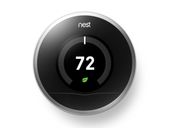
Nest Thermostat. Man, it is cold outside! That doesn't mean it can't be comfy inside. With the Nest Thermostat, it learns (yes, learns) your habits based on the temperature changes you make in the house and designs an internal climate pattern for you. It also helps you to see if you are saving energy by adjusting the temperature. With the remote control feature on the smart phone app, you can be saving money and being more comfortable in no time. The Nest Thermostat is available for purchase on their website or at major retailers. Prices range from $209 to $249. (Photo courtesy of Nest)

VOLCANO_005.JPG
State of Hawaii Insurance Commissioner Gordon Ito, testifies before the House Subcommittee on Energy and Mineral Resources on Capitol Hill on the current state of volcanic hazards in the United States, Washington, D.C., Wednesday, November 19, 2014. (Andrew Harnik/The Washington Times)

VOLCANO_004.JPG
U.S. Geological Survey Volcano Hazards Program Coordinator Dr. Charles Mandeville testifies before the House Subcommittee on Energy and Mineral Resources on Capitol Hill on the current state of volcanic hazards in the United States, Washington, D.C., Wednesday, November 19, 2014. (Andrew Harnik/The Washington Times)

VOLCANO_008.JPG
Wyoming State Geological Survey Director and State Geologist Tom Drean testifies before the House Subcommittee on Energy and Mineral Resources on Capitol Hill on the current state of volcanic hazards in the United States, Washington, D.C., Wednesday, November 19, 2014. (Andrew Harnik/The Washington Times)

VOLCANO_009.JPG
Oregon State University Professor Shanaka de Silva testifies before the House Subcommittee on Energy and Mineral Resources on Capitol Hill on the current state of volcanic hazards in the United States, Washington, D.C., Wednesday, November 19, 2014. (Andrew Harnik/The Washington Times)

VOLCANO_006.JPG
State of Hawaii Insurance Commissioner Gordon Ito, center, testifies before the House Subcommittee on Energy and Mineral Resources on Capitol Hill on the current state of volcanic hazards in the United States, Washington, D.C., Wednesday, November 19, 2014. (Andrew Harnik/The Washington Times)

VOLCANO_003.JPG
Chairman Doug Lamborn (R-Col.) speaks as U.S. Geological Survey Volcano Hazards Program Coordinator Dr. Charles Mandeville, State of Hawaii Insurance Commissioner Gordon Ito, Wyoming State Geological Survey Director and State Geologist Tom Drean, Oregon State University Professor Shanaka de Silva and Hawaii County Civil Defense Director Darryl Oliveira testify before the House Subcommittee on Energy and Mineral Resources on Capitol Hill on the current state of volcanic hazards in the United States, Washington, D.C., Wednesday, November 19, 2014. (Andrew Harnik/The Washington Times)

VOLCANO_007.JPG
Wyoming State Geological Survey Director and State Geologist Tom Drean testifies before the House Subcommittee on Energy and Mineral Resources on Capitol Hill on the current state of volcanic hazards in the United States, Washington, D.C., Wednesday, November 19, 2014. (Andrew Harnik/The Washington Times)

VOLCANO_010.JPG
Oregon State University Professor Shanaka de Silva testifies before the House Subcommittee on Energy and Mineral Resources on Capitol Hill on the current state of volcanic hazards in the United States, Washington, D.C., Wednesday, November 19, 2014. (Andrew Harnik/The Washington Times)


