


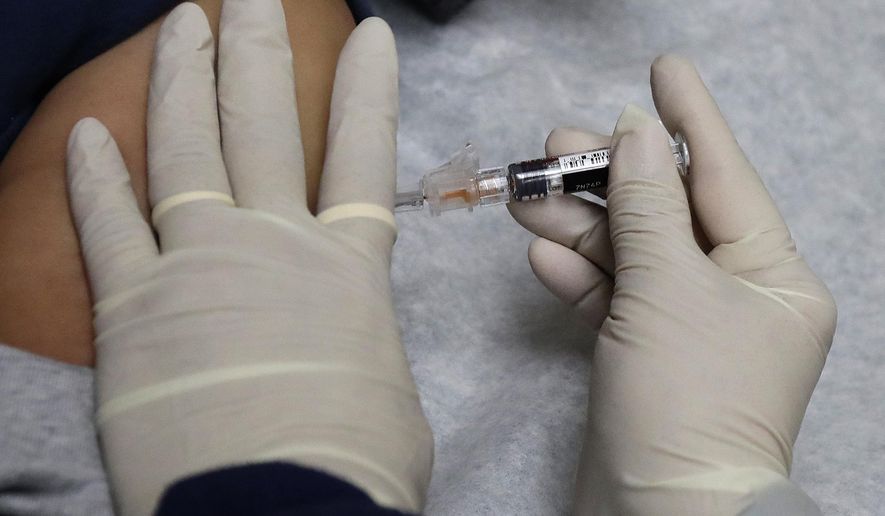

All children 6 months and older should receive an injectable flu vaccine before the end of October as supplies become available, according to new recommendations published Sunday by the American Academy of Pediatrics.
“The flu virus is common — and unpredictable,” Dr. Flor M. Munoz, member of the AAP Committee on Infectious Diseases, said in a statement. “It can cause serious complications even in healthy children. Being immunized reduces the risk of a child being hospitalized due to flu.”
The 2017/2018 flu season was one of the deadliest on record. As of August, 179 children have died of complications from the flu and thousands more have been hospitalized. While health officials warned that last year’s flu vaccine wasn’t as effective as previous years, they recommended that any protection was better than none.
About 80 percent of the children who died from flu complications never received the vaccine, according to data from the Centers for Disease Control and Prevention.
“Staying healthy is the goal for all of us,” Dr. Wendy Sue Swanson, a pediatrician in Seattle and AAP spokesperson, said in a statement. “As a pediatrician and mom, I see too often how quickly the flu spreads. Unfortunately, you can spread influenza without realizing it because some infected people begin to spread the virus a day or two before they have symptoms. Get the shot. It just makes sense.”
The American Academy of Pediatrics recommends the injectable flu vaccine as the primary choice for infants and children. A vaccine nasal spray, while approved, is considered less effective against dominant strains of flu such as A/H1N1, the academy said.
Children from 6 months old to 8 years old should receive two doses of the injectable vaccine, while children 9 and older can receive only one injection. Pregnant women should also be inoculated against the flu.
There are two types of flu vaccines available, one that contains three inactive strains of the virus and one that contains four — although the AAP says one is not preferred over the other. This year’s vaccine includes one new strain of influenza A (H3N2) and influenza B (Victoria lineage).
• Laura Kelly can be reached at lkelly@washingtontimes.com.

Please read our comment policy before commenting.