



OPINION:
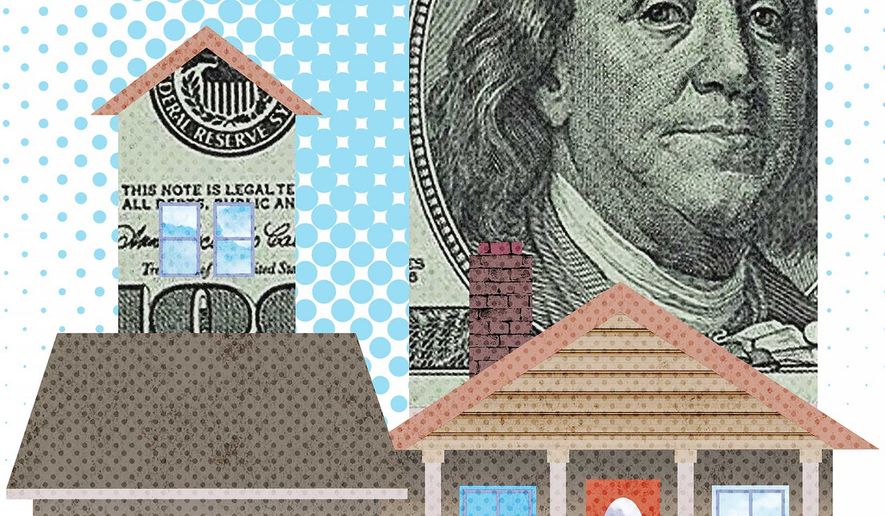
True bipartisanship is scarce these days. With tribal lines forming around just about every issue, it’s refreshing to see conservatives enthusiastic about an idea for making housing affordable that 64 congressional Democrats have also endorsed.
The Center for a Free Economy, Americans for Tax Reform, Unleash Prosperity and a who’s who list of right-of-center organizations lined up on Mar. 2 to ask Speaker Mike Johnson and Majority Leader John Thune to schedule the “More Homes on the Market Act,” which would boost the exemption from capital gains tax for people selling their primary residence.
At present, a young couple achieving the American dream for a comparative pittance years ago will find themselves trapped once the kids have moved away. They no longer need multiple bedrooms, but to downsize into more modest accommodations risks incurring the taxman’s wrath. So, they stay where they are, leaving new families with fewer choices when shopping for a suitably sized place to live.
Under IRS rules, a primary dwelling’s value may only appreciate $250,000 before the penalty kicks in for single owners, or $500,000 when filing jointly. The legislative proposal doubles those amounts to $500,000 and $1 million respectively.
“In far too many cases, Americans who bought decades ago now face taxes on what are often merely inflationary capital gains. That tax burden discourages home sales, tightens housing supply, and makes it harder for Millennial families to buy the family homes they need,” the letter signed by 40 conservative leaders states.
In the week ahead, the upper chamber is set to consider a 300-page package of housing-related reforms championed by Sens. Tim Scott, South Carolina Republican, and Elizabeth Warren, Massachusetts Democrat. Mr. Thune on Thursday made the procedural moves to allow the bill to be heard as a substitute for the plan that passed the House last month.
As revised, the Senate scheme would cut red tape that slows new construction. It stops institutional investors from gobbling up single-family dwellings, codifying something President Donald Trump did through an executive order. The legislative text also includes a lot of random, but welcome, provisions, such as ordering a halt to the Federal Reserve’s scheme to introduce a central bank digital currency.
Congressional action is necessary, but it is just as vital for lawmakers to assist the administration’s efforts to send people who entered the country illegally back where they belong. Doing so would free up space currently occupied by individuals who shouldn’t be here.
More than half of these individuals are freeloading on welfare benefits that allow them to hoard the available abodes at public expense. This is the most powerful driver of the unaffordability crisis. The president needs help from the House and Senate to overcome the resistance antics of unelected district court judges who block the enforcement of federal laws.
Mr. Trump is also addressing the other side of the affordability equation by pressuring the Fed to lower interest rates. Confirming Stephen Miran, the White House nominee to replace outgoing Chairman Jerome Powell in May, would advance the cause significantly.
Mr. Powell has been keeping the cost of borrowing high despite positive signs the economy is growing out from under the malaise and inflation President Joseph R. Biden’s policies created. Mr. Miran rejects the notion that endless money printing creates economic growth.
Taken together, these steps should gradually ease the burden on young families looking for somewhere they can call their own.

Please read our comment policy before commenting.