



OPINION:
America is in a race to rebuild what’s aging, strengthen what’s vulnerable and modernize what must endure: roads and bridges that move people and commerce, water systems that protect communities and energy infrastructure that powers our nation’s growth.
We all understand the basic expectation: infrastructure projects should be completed on time and on budget. That same common-sense standard should apply to the federal process that governs many of the materials that make infrastructure possible: the U.S. Environmental Protection Agency’s (EPA) implementation of the Toxic Substances Control Act (TSCA).
TSCA is not a household name, but for the companies and workers who build America, it needs to be. EPA’s TSCA program is the gatekeeper for thousands of chemicals essential to modern infrastructure: advanced coatings, sealants, insulation, polymer technologies, corrosion protection and more. These are the building blocks that determine whether a bridge lasts 50 years or 100, whether a water system resists corrosion and whether energy infrastructure can withstand extreme conditions. Infrastructure projects and chemical reviews depend on timely regulatory decisions that strengthen U.S. competitiveness, not ones that drive innovation and investment overseas.
Congress designed TSCA to protect public health and the environment and to promote innovation. Under TSCA, EPA’s review period for new chemical notices runs 90 days from receipt. That’s the statutory backbone of predictability so innovators and manufacturers can invest, hire, and produce here in the United States, not overseas.
But nearly a decade after the enactment of bipartisan TSCA reforms, the New Chemicals Program is still not delivering the certainty America’s manufacturers need.
Independent watchdogs have put hard numbers to the problem. A January 2025 Government Accountability Office report found that EPA met the 90-day review deadline less than 10% of the time, a performance gap that undermines manufacturer confidence, strains customer relationships, and weakens American competitiveness in the global marketplace.
The backlog is not theoretical. ACC’s latest tracking, as of February 2026, shows 453 new chemicals undergoing EPA review. Of those, only 37 were approved within the mandated 90-day period. And 311 advanced chemistries have been waiting more than a year for an agency decision. That uncertainty ripples through supply chains and it can ultimately delay the very infrastructure projects Americans depend on every day.
Chemistry helps build the future. But we can’t build America on a backlog.
On top of that, 2026 brings an urgent deadline Congress cannot miss: EPA’s authority to collect TSCA user fees expires on Sept. 30, 2026. Those fees are not a side issue; they fund roughly one-quarter of EPA’s TSCA program. Without reauthorization, EPA loses a critical funding source, guaranteeing even longer delays, deeper uncertainty, and mounting pressure on American innovators and manufacturers to take their investments abroad. That is not the direction this administration has charted for America.
President Donald Trump has made that direction clear. In his memorandum on modernizing permitting, the president directed that his “Administration will apply modern technologies to deliver outstanding results at 21st-century speeds.” Congress should bring that same urgency to TSCA in 2026: modernize implementation, sharpen accountability, and keep America’s innovators, manufacturers, and infrastructure projects moving at the pace the president has demanded.
EPA Administrator Lee Zeldin and his team have worked hard to stabilize and improve the TSCA program. But the administrator cannot do this alone. Congress has a key role to play.
So, what should Congress do?
First, reauthorize EPA’s authority to collect TSCA user fees, and do it well before Sept. 30. This will give EPA and President Trump the legislative tools to finish the job on improving TSCA. Waiting until the final days of Sept. invites disruption across EPA programs and across domestic supply chains that cannot afford more uncertainty.
Second, simply reauthorizing fees alone is not enough. Congress should pair it with targeted, practical improvements that help EPA deliver timely, science-driven chemical reviews. This is not a call to weaken TSCA protections, it is a call to make TSCA work as intended: clear standards, transparent timelines, outcomes that American manufacturers can plan around, and the public can depend on.
Both the Senate Environment and Public Works Committee and the House Energy and Commerce Committee have introduced long-awaited TSCA fee reauthorization and improvement legislative discussion drafts. Legislative improvements to TSCA can help the program work better for public health, the environment and American competitiveness alike.
Finally, Congress and EPA should embrace the kind of transparency the public can understand and trust. When EPA misses a deadline, Americans deserve to know why. Transparent, clear completeness standards and consistent communication will restore confidence that TSCA is protecting people and enabling American innovation and manufacturing simultaneously, not as competing priorities.
America’s infrastructure ambitions require American capacity: domestic manufacturing, resilient supply chains and a regulatory system that can keep up with the pace of innovation. Congress has the opportunity, and the obligation, to deliver that system before Sept. 30.
American chemistry builds America’s infrastructure, and America’s success depends on getting this right.
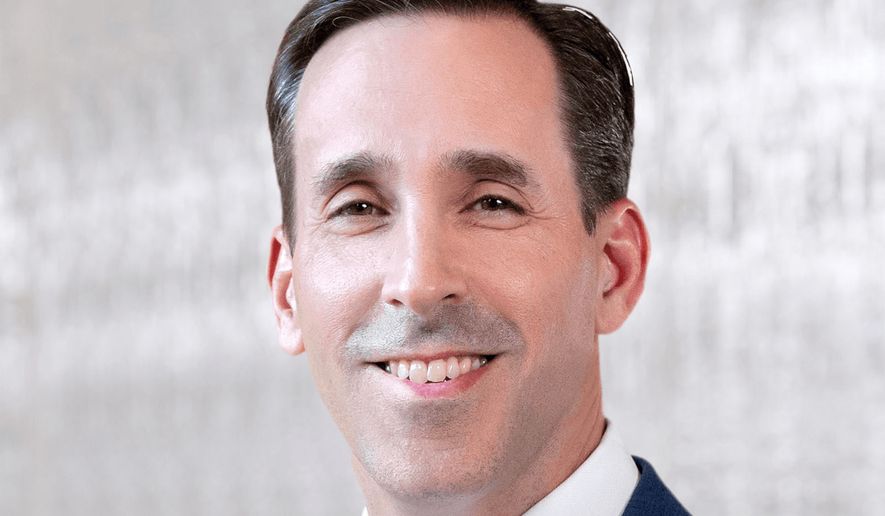
• Chris Jahn is President & CEO of the American Chemistry Council.

Please read our comment policy before commenting.