



OPINION:
On the Central Coast of California, water is at the core of our way of life. It is the driving force of our agriculture, the bedrock of our economy and the most basic necessity for everyone who calls our region home. But today, the systems we rely on to deliver our water are under strain. As we navigate deeper into the 21st century, the climate emergency we once discussed as a distant threat has become our reality. We are living through a cycle of extremes where historic droughts are followed by punishing floods, putting a strain on our infrastructure that it was never designed to handle.
That is why I have led a bipartisan group of my colleagues to introduce the Water Infrastructure Resilience and Sustainability Act. This legislation represents an increasingly rare area of bipartisan cooperation, and I’m proud to be leading this effort.
The Threat of Extreme Weather
Our water infrastructure is aging at the exact moment the environment is becoming more volatile. In my district, we’ve seen how quickly a drought can deplete our reservoirs, followed by storms that threaten to overwhelm our drainage and treatment facilities. When these systems fail, the consequences are severe — and the risks we face on the Central Coast are shared by communities across the country.
According to the Environmental Protection Agency’s most recent Clean Watersheds Needs Survey and Drinking Water Infrastructure Needs Survey and Assessment, the United States will have to spend at least $1.25 trillion over twenty years to meet the nation’s water infrastructure needs. Without action, we risk more than additional boil water advisories. We risk losing a consistent supply of clean drinking water, the flooding of our neighborhoods during storms and a devastating blow to our national economy. In fact, the U.S. Water Alliance estimates that a single day of downtime in U.S. water service could result in close to $50 billion in lost economic activity. We cannot afford to wait for the next disaster to prove this forecast right.
A Bipartisan Path Forward
In a Washington often defined by division, water infrastructure remains a common ground. I am proud to lead this effort alongside a bipartisan coalition, including Representatives David Valadao, R-Calif.; Troy A. Carter, Sr., D-La.; Jeff Van Drew, R-N.J.; and Brian Mast, R-Fla. We may represent different corners of the country and different political parties, but we all see the same urgent need to bolster our water systems.
Our bill is built around three essential pillars to protect our communities and prepare for the future. First, it invests in competitive grants that help local water agencies modernize aging equipment and infrastructure. Second, it strengthens drought and flood resilience by supporting projects that boost water efficiency, expand recycling and upgrade drainage systems to withstand extreme storms. And third, it recognizes that today’s threats aren’t only physical. As water systems become more interconnected, they also become more vulnerable to cyberattacks. This legislation ensures utilities have the tools and resources they need to defend our water supply from emerging digital threats.
The Time to Act is Today
We can no longer treat water infrastructure as an “out of sight, out of mind” issue. Every time a family in Santa Barbara turns on the tap or a farmer in Santa Maria irrigates their crops, they are relying on a complex web of infrastructure that is currently under immense pressure.
Investing in resilience today is far cheaper than paying for disaster recovery tomorrow. By passing this bipartisan legislation, we are choosing to be proactive. We are choosing to protect our way of life and ensure that the Central Coast — and the rest of the nation — has the peace of mind that one of life’s most basic, yet critical, resources will be available, regardless of what the future brings.
Let’s get this done, together.
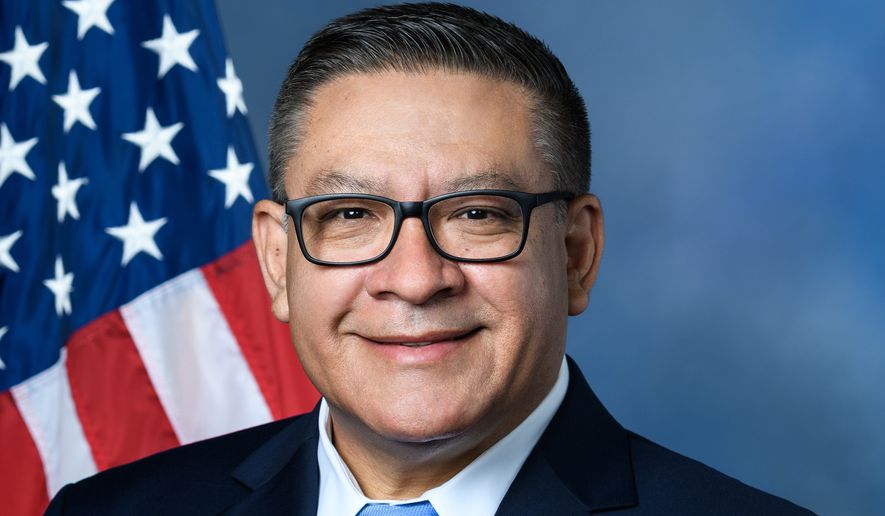
• Rep. Salud Carbajal represents California’s 24th Congressional District, encompassing Santa Barbara County and portions of San Luis Obispo County and Ventura County. He serves on the House Committees on Agriculture, Armed Services, and Transportation and Infrastructure.

Please read our comment policy before commenting.