



OPINION:
Reps. Thomas Massie, Kentucky Republican, and Ro Khanna, California Democrat, spearheaded the bipartisan effort to force the release of the Epstein files.
In November, the House overwhelmingly passed its legislation by a 427-1 vote. Only Rep. Clay Higgins, Louisiana Republican, voted no. They argued that transparency was essential to rebuilding public trust and “to bring the country together.”
Last week, Congress confronted a similar move by Rep. Nancy Mace, South Carolina Republican: whether to release reports detailing sexual misconduct and harassment allegations involving members of Congress or their staffs.
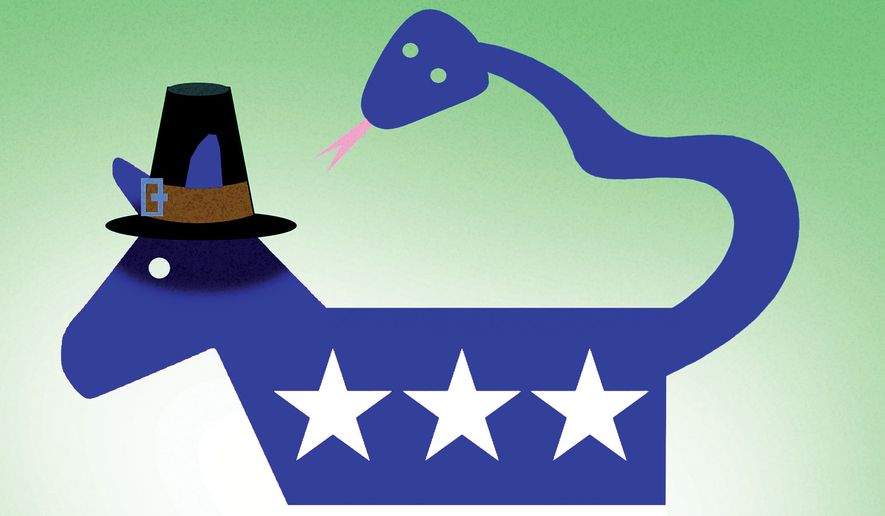
This time, however, lawmakers showed far less enthusiasm for transparency. The House blocked the release on a 357-65 procedural vote. Virtually every Democrat voted against transparency.
“If you sexually harass someone in Congress, you do not get to hide behind closed doors,” Ms. Mace warned. “Women deserve answers. No more protection for predators in Congress.”
Because Congress used taxpayer funds to quietly pay settlements and kept the offenses hidden, even serial offenders face no consequences.
Although the House approved the Epstein disclosure effort with broad bipartisan support, the vote on releasing congressional misconduct records split very differently. Of the 65 House members who supported releasing the congressional records, 62 were Republicans.
Many prominent Democrats who built their reputations on protecting women and promoting transparency did not apply those principles when fellow members of Congress were involved.
When discussing the Epstein files, Mr. Khanna condemned efforts to shield wrongdoing, criticizing the practice of “protecting rich and powerful men who were abusing, assaulting and abandoning young women.” Yet when the issue turned to misconduct within Congress itself, most lawmakers declined to apply the same standard.
Mr. Khanna has argued that the country must “ensure that [private sector] workplaces are held to a standard of accountability and transparency in dealing with claims of harassment, assault and gender discrimination.”
Mr. Massie maintained a consistent position. He argued that the transparency demanded in the Epstein case should apply equally to Congress. He pointed out that Congress had paid “more than $17 million … to quietly settle charges of harassment” and asked a simple question: “Don’t you think we should release the names?”
Mr. Khanna joined Mr. Massie in supporting disclosure, but very few Democrats followed suit. Of the 211 Democrats who voted to release the Epstein files, only two others — Jared Golden of Maine and Rashida Tlaib of Michigan — also voted to release the congressional records.
The contrast is striking. Many House Democrats frequently portray themselves as champions of women’s rights and transparency, yet many appear reluctant to apply those principles when allegations involve members of Congress.
Rep. Alexandria Ocasio-Cortez of New York, for example, has supported legislation in the past designed to “stop companies from sweeping sexual abuse and racial discrimination under the rug by forcing companies to publicly report complaints.” Rep. Ted Lieu of California has similarly argued that “it is despicable that companies can just pay off employees to hide inappropriate behavior that happened on their watch.”
Mr. Lieu has noted, “The public deserves full transparency about companies with a history of harassment and discrimination.”
Rep. Ayanna Pressley of Massachusetts also has said that “for too long, institutions have shielded powerful sexual abusers and silenced survivors.”
Yet when faced with the opportunity to apply those same principles to Congress itself, most lawmakers chose not to.
Transparency cannot be a principle that Congress demands only of others while denying it to the public about its own conduct. If lawmakers truly believe that powerful institutions should not be allowed to conceal harassment and abuse, then Congress should hold itself to the same standard it expects from corporations and private employers.
Accountability means applying the same rules to everyone, including those who write them.
• John R. Lott Jr. is the president of the Crime Prevention Research Center. He served as the senior adviser for research and statistics in the Office of Justice Programs and the Office of Legal Policy in the U.S. Department of Justice from 2020 to 2021.

Please read our comment policy before commenting.