


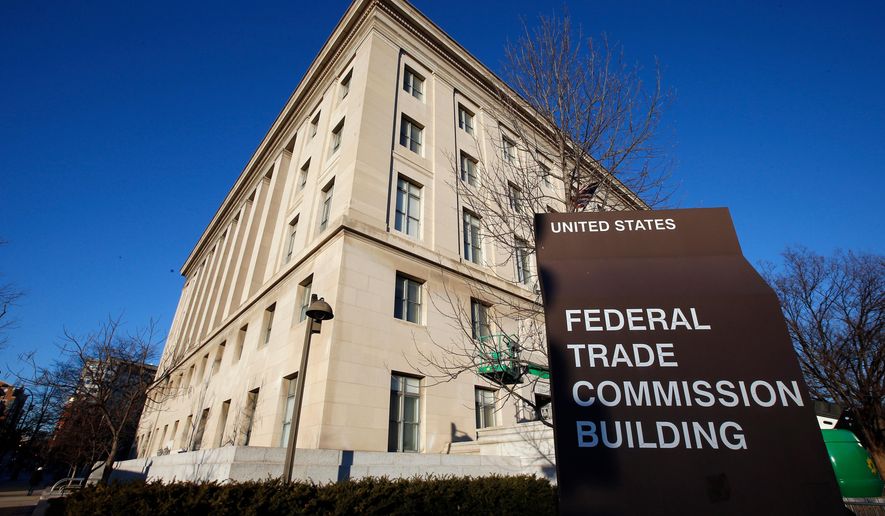

The Federal Trade Commission has prohibited one of the largest pest-control companies in the U.S. from enforcing noncompete agreements, a move that the agency said is part of President Trump’s pro-worker agenda.
The FTC ordered Rollins, Inc., parent company of brands including Orkin and Critter Control, to stop imposing noncompete agreements on nearly all its employees — 18,000 nationwide.
The contracts typically prohibited them from working in the pest-control industry for two years after leaving Rollins or even working in pest control within a 75-mile radius of one of Rollins’ more than 700 locations in the U.S., the FTC’s complaint alleged.
Rollins was found in violation of Section 5 of the FTC Act, which prohibits “unfair methods of competition” in business. The FTC’s proposed order says that Rollins must stop enforcing noncompete agreements, cease from entering or enforcing such agreements and provide notice to current and former employees that they are no longer subject to them.
The agency said that Rollins imposed these agreements on employees who could not negotiate, received no extra compensation for signing and had little or no opportunity to fully understand what they meant.
Rollins issued hundreds of cease-and-desist letters to former employees, citing a breach of noncompete agreements, and filed multiple lawsuits against former employees, the complaint says.
“Turning to the pro-competitive interests that could justify these onerous agreements, we come up nearly empty,” FTC Chair Andrew Ferguson and Commissioner Mark Meador said in a joint statement Thursday. “As the complaint charges, Rollins did not need the challenged provisions to continue making any capital investments in training or the development of associated proprietary information—in fact, Rollins’s pest control methods are publicly accessible on the internet, so they are hardly a secret.”
The FTC said such agreements have suppressed competition, denied workers access to job opportunities, restricted worker mobility and likely resulted in reduced wages and benefits.
“Once again, the FTC is fighting for American workers to ensure that they have the freedom to pursue new job opportunities and better pay,” Daniel Guarnera, director of the FTC’s Bureau of Competition, said in a statement. “The American economy runs best when workers are not limited by noncompete agreements that distort competition and prevent workers from changing jobs, starting competing businesses, and earning higher wages. The FTC’s actions today build on its work to enforce the antitrust laws to protect American workers.”
Rollins, however, countered that it eliminated the use and enforcement of noncompete agreements for nearly all employees last year.
“We want to maintain our teammates’ ability to seek employment elsewhere if they choose to leave Rollins, while also protecting our company’s proprietary information and confidential customer data,” the company said in a statement to The Washington Times.
The FTC also issued warning letters to 13 other companies in the pest control industry, advising them to review their employment agreements to ensure that they do not contain any unfair or anti-competitive noncompete provisions.
By proactively going after Rollins’ noncompetes, the FTC said it is putting its foot down against the widespread imposition of such agreements as an unfair method of competition, potentially laying down the groundwork for future federal enforcement.
The agency said the “Trump-Vance FTC” has brought several other actions to stop anti-competitive labor practices, including:
• Ordering the nation’s largest pet cremation business to stop enforcing noncompete agreements against nearly 1,800 workers.
• Stopping building services contractor Adamas Amenity Services LLC and its affiliated businesses from enforcing no-hire agreements.
• Issuing letters to several large healthcare employers and staffing firms urging them to conduct a comprehensive review of their employment agreements to ensure they are appropriately tailored and comply with the law.
The public will have 30 days to comment on the proposed consent agreement with Rollins.
• Mary McCue Bell can be reached at mbell@washingtontimes.com.

Please read our comment policy before commenting.