



OPINION:
Few issues divide members of Congress along party lines like health care. While one side continues making the case for more government and less choice, my side is focusing on making health insurance premiums more affordable. We’re reducing waste, fraud, and abuse to protect the programs on which many vulnerable Americans rely.
What often gets lost in the debate is that health coverage doesn’t mean you see a doctor. More than 20 Tennessee counties don’t have a hospital. That means no emergency room. It means families are driving long distances for urgent care. And it likely means loss of life because no one in the life-saving business was nearby.
How members of Congress can help right now
Members of Congress have a tool to help the rural communities we represent through Congressional Community Project Funding (CPF). Since coming to Congress in 2019, I am proud to have secured more than $7.4 million for rural health projects across my district. Awards included $2 million to help construct a free-standing emergency department and primary care clinic in Jamestown, a town that went without a hospital for years, and $3.75 million to build a diagnostic imaging center in Oneida, which will result in early detection and more optimistic prognoses. Most recently, I secured $490,798 in funding for equipment upgrades at Macon Community Hospital, including the replacement of telemetry systems in their medical-surgical and emergency departments. That is a big deal for a small community hospital.
Many on my side of the aisle will dismiss CPF as more wasteful spending. But refusing to engage in the process doesn’t reduce spending. It shifts power from elected representatives to unelected bureaucrats.
When conservatives abstain, Washington decides for us
Look, one of the reasons I ran for Congress was to help restore fiscal sanity. I strongly support reducing federal spending levels. However, CPF requests don’t add to spending levels. They meet specific needs in our districts with funds already allocated funds. The question isn’t whether Washington will spend the money, it’s who should have a seat at the table?
If members of Congress don’t submit projects, the dollars will go to metropolitan areas with more grant-writing staff, more lobbyists, and more political clout. Meanwhile, rural communities get told — yet again — to do more with less. That isn’t fiscal responsibility. That’s surrender.
Community Project Funding can save rural hospitals
Tennessee ranks 2nd among states with the most rural hospital closures. Many are hanging on by a thread, not because doctors and nurses aren’t doing their best, but because the math simply doesn’t work when you’re serving a sparse population with high fixed costs.Community Project Funding can help fill those gaps:
• Expanding telehealth infrastructure so patients can access specialists without a hundred-mile drive.
• Upgrading aging hospital facilities that can’t keep up with modern standards.
• Improving emergency response networks, which can mean the difference between life and death when the nearest trauma center is far off.
• Supporting workforce pipelines so we can attract and retain nurses, primary-care physicians, and mental health professionals.
Conservatives should champion responsible investment, not abandon it
By forgoing the CPF process, you hand over control of federal dollars to faceless agencies instead of directing them to projects your constituents actually need. I certainly believe I know the needs of my constituents better than bureaucrats in Washington.
When Community Project Funding is done right — transparently, with clear requirements, public disclosure, and no private entities eligible — it represents the best of representative government. It ensures our tax dollars are used where they make the greatest impact, and it keeps decision-making closer to the people. That is not big government. That is accountable government.
A lifeline for communities underserved for too long
Improving healthcare access is not only compassionate; it’s economically conservative. It decreases long-term healthcare expenditures, reduces Medicaid costs, and strengthens the local workforce. People want to live, work, and raise a family in areas where they don’t have to drive more than an hour to see a doctor.
Engaging in Community Project Funding doesn’t betray our values. It honors them. It’s how we keep rural America healthy and competitive. We can either let Washington decide where rural Americans fit in the national budget, or we can fight for them ourselves. I know which choice I’m making.
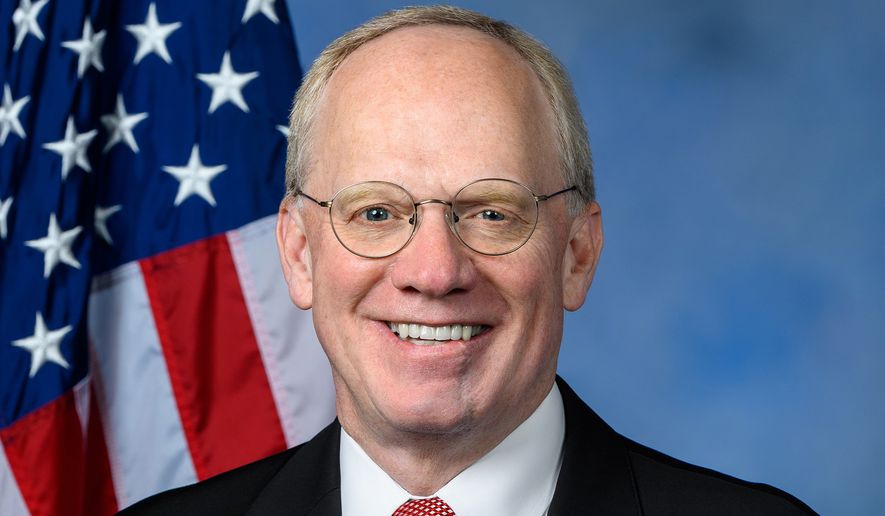
• Rep. John Rose is serving his fourth term in Congress, representing Tennessee’s Sixth Congressional District on the House Agriculture Committee and House Financial Services Committee.

Please read our comment policy before commenting.