



OPINION:
Nearly 60 million Americans live in rural areas. Many were born there, and others choose rural America for reasons such as the benefits of space, tranquility, access to nature, and close-knit community.
But when it comes to health care, rural Americans too often encounter limited access to primary care, specialists, and mental health services. These gaps are worsened by transportation barriers, doctor shortages, and hospital closures, impacts that weigh heavily not just on individuals, but entire families and communities.
As the member of Congress representing a sprawling rural district that encompasses one third of the landmass of Pennsylvania, one of the most rural districts east of the Mississippi River, I am keenly aware of the problems my constituents face when accessing medical services. One of the driving forces behind many shuttered hospitals, health care facilities, and other services in these communities are staffing shortages, whether it be physicians, surgeons, OB-GYNs, technicians, nurses, or any of the other professionals critical to providing care.
I spent nearly 30 years as a health care professional serving rural populations. I know firsthand that providers struggle to attract and retain a talented workforce in our rural communities. We must think outside of the box to resolve these issues. For example, I support efforts to encourage medical programs to place residents in rural communities as part of their education, training, and rotations. We know that people are far more likely to remain in communities where they train and serve, and we must continue to build this pipeline and solidify our rural health workforce.
The expansion of telehealth is another avenue that helps provide care for our rural communities. Throughout the COVID-19 pandemic, telehealth added tremendous reach and value to communities across the country, especially in rural America. Many of my constituents were able to access regular care without having to drive for hours, ensuring they could get diagnosed and treated in an efficient manner.
That’s why I reintroduced the Helping Ensure Access to Local TeleHealth (HEALTH) Act, which will allow community health centers and rural health clinics to continue providing telehealth services and receive fair reimbursement for doing so. Together with Representative Jill Tokuda, D-Hawaii, we are pushing for permanent Medicare reimbursement for telehealth services provided by community health centers and rural health clinics. Our bill will continue to allow providers to utilize audio-only telehealth visits for patients who do not have access to broadband services. We know that millions of Americans lack access to reliable, high-speed internet service, and the inequality is particularly striking in our rural communities. While I am fortunate to live in an area with high-quality internet service to my home, just a few miles away, my neighbors are on the wrong side of the digital divide. It is like this across my district and across this country, with digital haves and have-nots on the same road creating a checkerboard of connectivity.
It is amazing how much easier telehealth makes life for rural and underserved communities and especially our older residents. Continued use and promotion of these services will improve health equity by increasing access to care for our most vulnerable, especially in rural communities. The HEALTH Act cuts red tape and permanently allows community health centers and rural health clinics to provide telehealth services to their patients. We know telehealth works and we should encourage providers to use every means possible to serve their patients. Equitable health care should be available to all Americans, regardless of geographic location or broadband connection.
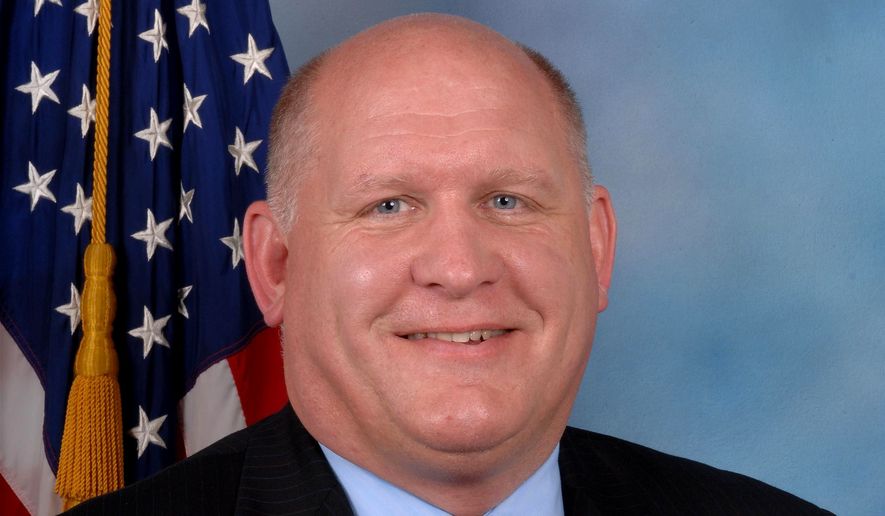
• U.S. Representative Glenn “GT” Thompson represents Pennsylvania’s 15th Congressional District and is chairman of the House Agriculture Committee.

Please read our comment policy before commenting.