



OPINION:
From the volcano-lined communities of Ka‘ū to the corn belt of the Midwest, one truth is clear: rural America is being asked to survive a health care system that is flat-out failing us.
My constituents ask me why their life expectancy is nearly a decade shorter than people living in urban areas. Why a simple doctor’s visit requires hours of driving — or a plane ticket. Why hospitals are closing, clinics are stretched thin, and providers are burning out faster than we can recruit them. They ask why they must choose between feeding their families and getting the care they need.
There is no acceptable answer to any of it.
When transportation becomes a barrier to treatment; when the cost of care keeps rising while reimbursements stay flat; when we cannot attract or retain enough doctors, nurses, behavioral health providers, or specialists; and when avoidable illness becomes fatal simply because care is too far or too expensive, the system is not in need of repair. It’s in need of a revolution.
For too long, rural America has been forced to accept its fate: that it’s simply harder when you live farther from urban centers, and that poor health disparities, chronic conditions, and access to care are a way of life. But it doesn’t have to be that way. With modern technology and sustained, targeted investment, we can and must change the health trajectory of rural America.
Rural communities grow the food, fuel, and fiber that this country relies on. They keep America running. It is long past time we take care of the people who take care of us.
When a rural hospital or clinic closes, the consequences ripple far beyond health care. Jobs disappear. Families move. Local businesses suffer. Rural health care is not just about wellness; it is the economic backbone of rural America. If we want rural communities to grow, we must fight for the health systems that keep them alive.
Despite the noise and division in Washington, there is still a path forward — and it’s bipartisan. As co-chair of the Bipartisan Rural Health Caucus with my colleague Diana Harshbarger (R-Tenn.), I’m committed to making rural health a national priority, not an afterthought. Each year, our caucus leads the National Rural Health Day resolution to remind Congress that our work cannot stop with symbolic gestures. It must be reflected in every funding decision, every committee markup, and every bill we advance.
That’s why I’ve championed legislation to tackle the biggest barriers rural communities face:
• The Rural Health Clinic Modernization Package cuts red tape, updates outdated regulations, and gives clinics the flexibility they need to stay open.
• The HEALTH Act — permanently secures telehealth, including audio-only visits, so rural and remote communities can access care despite limited broadband or long travel times.
• The Community TEAMS Act and Strengthening Pathways to Health Professions Act rebuild the workforce pipeline by supporting students, training providers, and keeping scholarships and loan repayment programs accessible and tax-free.
These bills won’t solve everything, but together they move us toward a rural health system that works for the people who depend on it.
Here’s what we must commit to now:
Invest in rural hospitals and clinics. Build and retain a workforce rooted in the communities it serves. Make telehealth permanent and universal. Ensure no family must choose between groceries and health care. Treat rural health care like the national emergency it is.
The challenges are urgent, but the opportunity is even greater. Rural America is ready for a healthcare revolution. What we need now is the political will to match the stakes.
When rural communities — from the shadow of Mauna Loa to the hills of Appalachia — have what they need to thrive, our entire nation thrives with them.
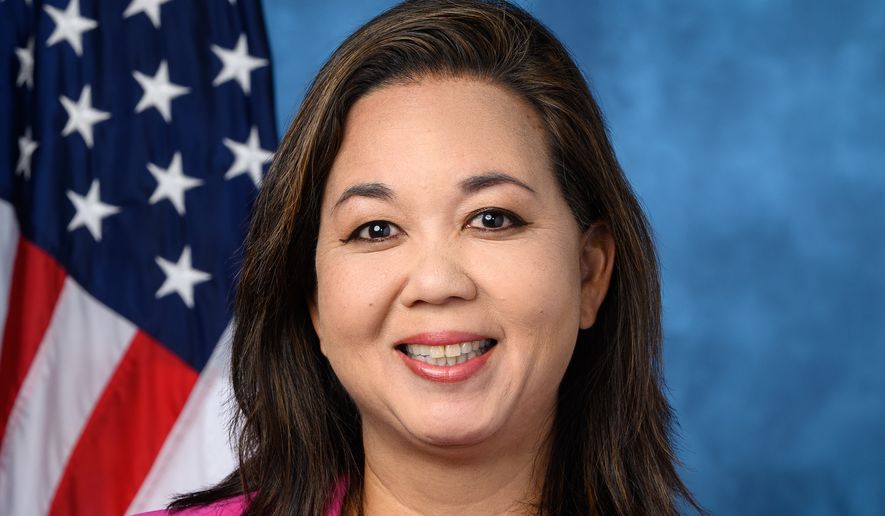
• U.S. Representative Jill Tokuda represents Hawai’i’s Second Congressional District (CD2) which includes suburban and rural parts of O’ahu, the islands of Hawai’i, Kaua’i, Maui, Lana’i, Moloka’i, Ni’ihau, Kaho’olawe, and the Northwestern Hawaiian Islands. She serves on the House Committee on Armed Services, Select Committee on the Chinese Communist Party, and as Ranking Member on the Subcommittee on Conservation, Research, and Biotechnology on the Committee on Agriculture. She is also Co-Chair of the Bipartisan Rural Health Caucus.

Please read our comment policy before commenting.