



OPINION:
Veterans live in every community across the country. Yet unlike most Americans, they can’t simply use the closest health care providers. A backwards Department of Veterans Affairs (VA) requirement prevents veterans from seamlessly accessing certain health care providers in their communities. These men and women honorably served our country but must jump through bureaucratic hoops to receive the VA health care they earned.
Modern VA health care began with a network of VA-run hospitals and clinics to provide care for veterans, which became the largest integrated health care system in the nation. This system was designed to deliver consistent quality care for veterans and their unique needs. But it also hardwired the agency to prioritize care within its own facilities, even when better options are available nearby. When possible, it still makes sense for veterans to seek care at a VA facility. But when it’s not, they should have the freedom to access quality and timely care in their own communities.
Over three million veterans received health care outside of the VA last year while still using their VA benefits, a testament to how far the system has come since its early crises. It’s worth remembering the VA Community Care Program was born out of tragedy. The 2014 access scandal in Phoenix revealed long wait times and systemic failures within the VA as veterans literally died waiting in line for VA care.
Yet today, the VA’s implementation of the Community Care Program still falls short of its original intent, largely because of the pre-approval requirement. In some cases, this burden requires multiple phone calls and authorizations before patients ever step foot into a clinic. The VA’s power to approve care comes with the power to disapprove. Whether through a finding of disapproval or use of bureaucratic delay, the outcome is too often the same: Tragedy for a hero.
This is especially significant in rural America, where a disproportionate share of veterans live compared to the general population. Veterans living in rural areas like those in North Dakota choose non-VA care because going to the state’s only VA hospital can require driving many hours and traveling hundreds of miles. Forcing veterans to travel to a VA facility because of government preference, while passing several capable hospitals along the way, is absurd.
To address this, I introduced the Critical Access for Veterans Care Act with U.S. Sen. Tim Sheehy, R-Mont. This legislation allows all veterans living within 35 miles of a Critical Access Hospital to receive care locally without pre-approval. These rural hospitals can receive a Critical Access designation if they are the sole health care provider within 35 miles, have 25 or fewer inpatient beds, and provide 24/7 emergency care services. They were created to solve the challenge of health care access for residents of rural communities and offer many of the same services available at other VA facilities.
North Dakota is home to 37 Critical Access Hospitals scattered in rural communities across the state. These hospitals already exist to bridge the gap for local residents, and veterans should be able to use them as easily as their neighbors.
This legislation is a win-win solution for veterans and local health providers. Our bill reduces onerous paperwork and travel barriers, increases easy, efficient access to care for veterans, and supports rural Critical Access Hospitals.
The promise to our veterans was quality care, not government-rationed care, and reforms are needed to deliver on this promise.
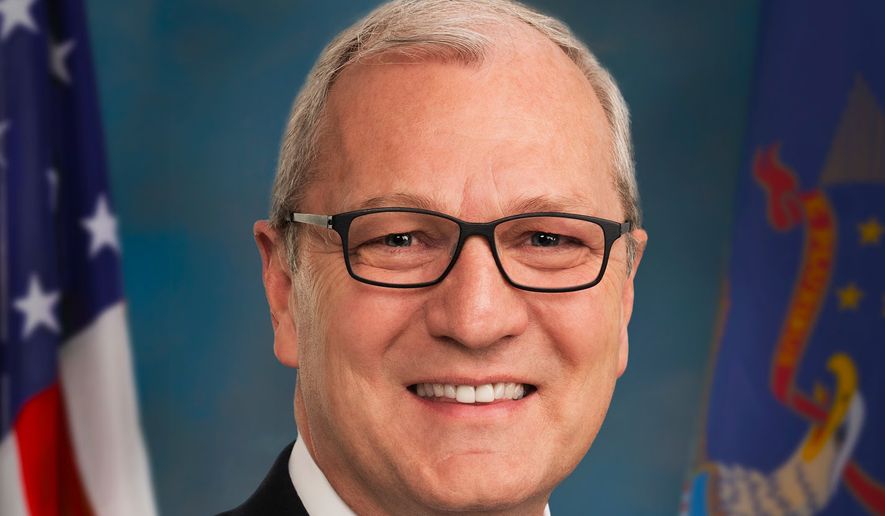
• U.S. Sen. Kevin Cramer, North Dakota Republican, is a member of the Senate Veterans Affairs Committee. He also serves on the Senate Armed Services, Environment and Public Works, and Banking, Housing and Urban Affairs Committees. Cramer previously served three terms as North Dakota’s At-Large Member in the U.S. House of Representatives.

Please read our comment policy before commenting.