



OPINION:
Hoosiers deserve access to quality medical care. Indiana boasts a rich agricultural history, strong universities, and growing energy and advanced manufacturing industries. Yet, despite strong projected job growth in the health care industry, Hoosiers in rural areas face significant challenges with affordability and access to care. Nearly one million Hoosiers live in rural communities, many of them seniors, veterans who have honorably served our country, and farmers and producers responsible for feeding, clothing, and fueling our nation. These Americans play an essential role in sustaining our nation, but far too many struggle to access health care services.
According to the Cicero Institute, 71 out of Indiana’s 92 counties are designated as Health Professional Shortage Areas (HPSAs), leaving over two million Hoosiers living without adequate access to a health care provider. This also means there are 3,500 or more patients for every one provider in many communities, with low-income Hoosiers disproportionately affected by the shortage. As a result, people living in rural communities often struggle to seek or delay primary or preventative care. By the time they finally see a doctor, their conditions have often worsened, leading to poorer health outcomes and higher overall costs.
This crisis is compounded by limited emergency services. A 2023 study found half of Indiana’s counties qualify as ambulance deserts. Hoosiers in rural counties face an average ambulance response time of 17 to 30 minutes. By contrast, urban and suburban Hoosiers’ ambulance wait times are three to five minutes. In emergencies, those precious minutes can be the difference between life and death. this reality creates an urgent crisis if we are to improve health outcomes and quality of life across our state and our country. My colleagues in Congress and I are working to deliver long-overdue solutions that prioritize rural health care for Americans who need it most.
In July, President Donald Trump signed the Working Families Tax Cuts Act into law, a key victory for improving health care access for Rural Americans. This historic legislation allocates $50 billion to create the Rural Health Transformation Program, a fund aimed at assisting states with improving access to hospitals and increasing rural hospitals’ stability. The Rural Health Transformation Program is also immediately focused on recruiting health care providers in rural communities to fix the provider shortages, retaining a highly skilled health care workforce, and addressing the root causes of the shortages to create long-term stability. The funds from this program are vital to addressing the hurdles rural health care providers face so they can provide quality care to the communities they serve.
Another critical provision of the Working Families Tax Cuts Act removes over one million illegal immigrants from Medicaid and caps federal payments to state Medicaid programs for emergency services provided to non-citizens. With many rural Americans, including children, relying on Medicaid, this was an important provision to make sure that Medicaid funds go to the program’s intended recipients: low-income families, pregnant women, children, seniors, and disabled Americans.
I also helped introduce the Rural Health Clinic Location Modernization Act, bipartisan legislation to update the criteria for Rural Health Clinic (RHC) certification to include areas with fewer than 50,000 people. Health care facilities were previously required in communities with fewer than 50,000 to qualify. However, the 2020 Census limited classification to urban with over 50,000 people or rural with under 5,000 people, creating a large gray area that left many communities uncertain about future RHC eligibility.
Rural health care providers do the best they can with limited resources, but Congress must close policy loopholes and ensure adequate funding to help them meet the needs of their communities. The historic investment through the Rural Health Transformation Program will allow hospitals to keep their doors open and improve health outcomes across Rural America. I will continue to work to address the unique challenges facing Hoosiers in the rural communities in my district and the millions of rural Americans across the country, and ensure every American, regardless of where they live, has access to the medical care they need.
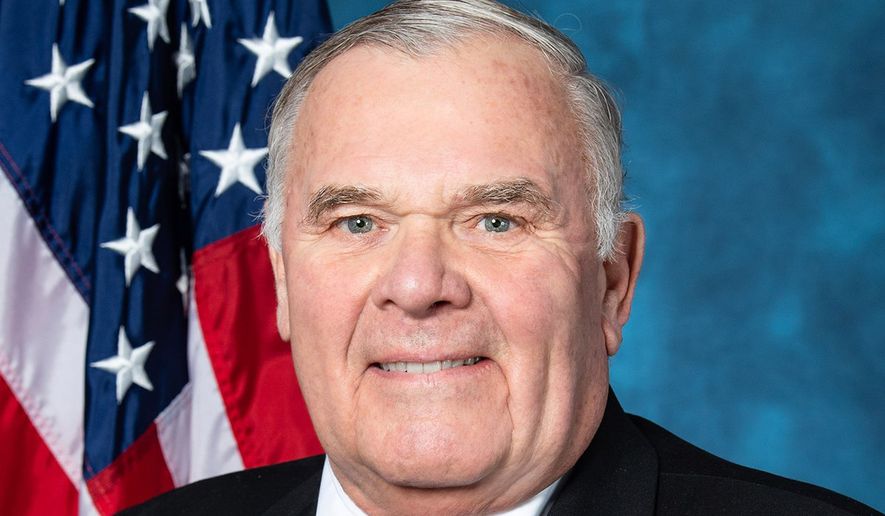
• Rep. Jim Baird represents Indiana’s Fourth Congressional District.

Please read our comment policy before commenting.