


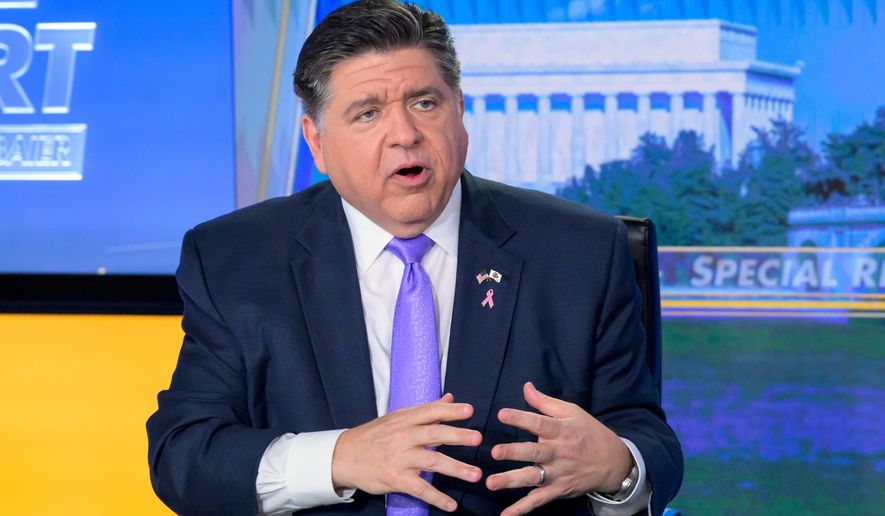

Illinois Gov. J.B. Pritzker’s 2028 presidential ambitions are colliding with a very local headache: the Chicago Bears’ stadium saga.
The team’s exploration of relocating to Northwest Indiana from storied Soldier Field instead of a new stadium in the Chicago area has dominated local headlines and sports radio chatter, thrusting the Democratic governor into a high-stakes fight over a franchise that has been synonymous with Chicago for more than a century.
Adam Hoffer, a sports economics expert at the Tax Foundation, described it as a classic catch-22, forcing elected leaders to balance their political survival with responsible stewardship of taxpayer dollars, including whether those dollars would be better spent on roads or schools.
“The adage when I taught sports economics was that there’s no faster way to lose reelection than to lose your professional sports team from your city,” Mr. Hoffer said. “So, no policymaker wants these teams to leave, and the way you try to keep them is by throwing lots and lots of public money at them.”
That is where Mr. Pritzker has drawn the line.
He said he wants the Bears to stay, but he doesn’t want taxpayers footing the bill for “propping up what is now an $8.5 billion‑valued business.”
Pritzker spokesman Matt Hill called the relocation threat “a startling slap in the face to all the beloved and loyal fans who have been rallying around the team during this strong season.”
The governor’s stance reflects Illinois’ broader fiscal woes. Watchdogs say the problems stem from years of short-term political decisions that prioritized immediate gain over long-term stability.
The result has been high taxes, a shaky business climate and now the possibility of the city’s beloved team leaving town.
Some Democrats say Mr. Pritzker is playing it smart.
Consultant Alvin Tillery argues that voters worried about affordability don’t want taxpayer money handed to billionaires. “It would be political suicide,” he said.
Standing firm, he added, could help Mr. Pritzker’s standing. “You can call the bluff.”
Bears President Kevin Warren ramped up the pressure this week by releasing an open letter saying talks with Illinois leaders had stalled.
The team is ready to invest $2 billion, but it wants taxpayers to cover infrastructure costs and elected leaders to provide “reasonable property tax certainty” to secure funding.
Without that, Mr. Warren said, the Bears are expanding their search, including to nearby Northwest Indiana.
Indiana leaders are rolling out the welcome mat.
With lower taxes and new legislation designed to attract professional teams, the state is in a stronger position to offer teams subsidies.
“Indiana has a better tax structure than Illinois on almost every possible tax item,” Mr. Hoffer said.
Illinois has one of the highest corporate tax rates in the nation, at 9.5%. Indiana’s rate is 4.9%. Indiana also has a lower top personal income tax rate, which could allow players to keep more of their earnings.
Mr. Hoffer said history suggests the most significant factor in the Bears’ stadium decision will be the size of the subsidy the team can secure. Indiana, he noted, is financially healthier and better positioned to offer a tax‑friendly package.
Sports consultant Marc Ganis said the threat of the Bears moving is real.
“There is serious frustration that this project has not moved forward,” he said during a radio interview Thursday on 670 The Score.
The longer the Bears look at Indiana, “the more attractive it might become.”
Fans are buzzing.
On sports radio Thursday, the chatter about the move was nonstop.
Callers criticized Mr. Warren for the timing, asking why he raised the possibility right before one of the year’s biggest games. Others saw the move as a power play to squeeze concessions from Illinois.
Indiana Gov. Mike Braun, meanwhile, is welcoming the news.
“The Chicago Bears recognize Indiana’s pro-business climate, and I am ready to work with them to build a new stadium in Northwest Indiana,” Mr. Braun said. “This move would deliver a major economic boost, create jobs and bring another premier NFL franchise to the Hoosier State.
“Let’s get it done,” he said.
• Seth McLaughlin can be reached at smclaughlin@washingtontimes.com.

Please read our comment policy before commenting.