


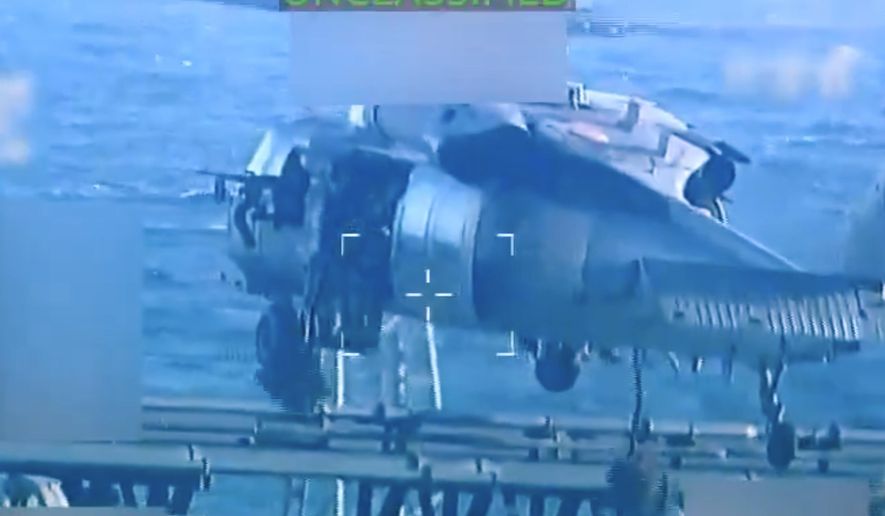

The oil tanker seized by U.S. troops off the coast of Venezuela evaded sanctions by falsifying and concealing its locations, according to publicly available satellite imagery and tracking data.
The same data also suggests that the vessel, named Skipper, has a history of carrying sanctioned oil from Iran and Venezuela.
Both nations’ oil industries are under U.S. sanctions, and Skipper has been punished by the Treasury Department since 2022.
At the time the U.S. captured it Wednesday, Skipper was allegedly transporting Iranian and Venezuelan oil to Cuba. The ship, a so-called shadow vessel, routinely hid its location by sending fake signal locations, a practice known as spoofing.
In the past two years, the Skipper obscured its location through spoofing for more than 80 days, according to Kpler, a maritime analytics company.
The Skipper hadn’t declared a location since Nov. 7, more than a month before the U.S. Coast Guard and Navy captured the ship and seized its tens of millions of dollars in illicit oil, public tracking data revealed.
Its last known port of call was a platform near the Soroosh Oil Field in Iran on July 9, according to Marine Traffic, which details ship movements.
Before reaching Iran, the Skipper also stopped in Iraq and the United Arab Emirates.
Since the vessel allegedly falsified its positions by sending fake signal locations from its onboard tracker, it’s unclear when it was at those locations.
Skipper then sailed east, according to Kpler, which said its data suggests the vessel conducted a ship-to-ship transfer between Aug. 11 and 13, a maneuver confirmed by satellite imagery. The cargo was unloaded in China, where it was “falsely declared.”
The ship then returned to Iran and sailed toward the Caribbean, Kpler revealed.
TankerTrackers.com identified the Skipper’s movements off the coast of Iran and China from March to September. The site estimates that the ship carried 1.87 million barrels of oil from Iran to China in February and 1.95 million barrels from Iran to China in July.
The Skipper next reappeared in satellite imagery continuously off the Venezuela coast from Oct. 30 to December.
Marine Traffic placed the Skipper near the shore of Guyana in South America between November and December. But satellite imagery on publicly accessible databases shows that the Skipper was 550 miles away, operating near the coast of Venezuela.
The Skipper disappeared after declaring its position near Guyana, only to reappear Wednesday after the U.S. raid.
TankerTrackers also spotted the Skipper near the Port of Jose in Venezuela on Nov. 18, but it was not appearing at tracking sites at that time.
However, satellite images by Kpler appeared to show Skipper involved in a ship-to-ship transfer with another vessel on Sunday, just days before it was boarded by U.S. troops. The transfer took place near the coast of Venezuela, near Barcelona.
The Skipper’s seizure is the latest escalation in President Trump’s relentless pressure campaign against Venezuelan socialist dictator Nicolas Maduro. Mr. Trump has accused the Venezuelan leader of being a drug lord who is shipping narcotics into the U.S., a charge Mr. Maduro denies. Mr. Trump has ramped up the military presence in the region to a level that hadn’t been reached in years.
Venezuela has long relied on ships such as Skipper to avoid crippling oil sanctions Mr. Trump slapped on the country during his first administration. Since then, Venezuela has relied on dark or shadow fleets. The vessels, which are estimated to account for as much as 20% of the global oil tanker fleet, often conceal where they are traveling by manipulating data.
Typically, the boats are shuttling oil from rogue nations like Russia and Iran.
• Jeff Mordock can be reached at jmordock@washingtontimes.com.

Please read our comment policy before commenting.