



OPINION:
Growth advocates generally agree mergers and acquisitions are economically beneficial. They often lead to productivity gains and lower prices, and eliminate redundancies that increase shareholder value. All good things.
That doesn’t mean economic progress doesn’t have drawbacks. Communities throughout America are still waiting for the new industries they believed would come in to replace the ones that left and took their jobs to Mexico and Asia.
That happened because Washington policymakers used tax rules, wage laws, environmental and safety regulations, subsidies, and trade debates to provide incentives, perverse and otherwise, for American businesses to relocate offshore. As they drove us toward globalization, the little guy was left behind.
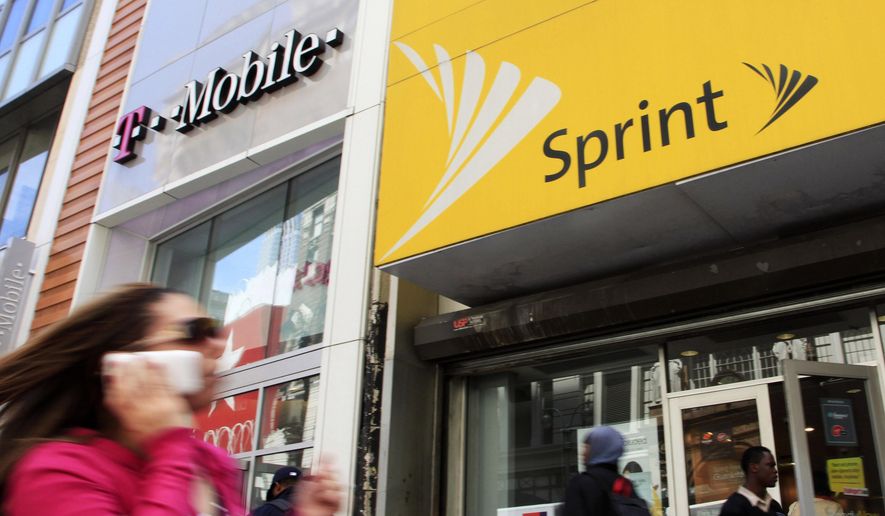
He still is. Now the issue is consolidation. In April 2020, T-Mobile joined forces with Sprint to make the nation’s third-largest wireless company. It took a while to do and, while selling the deal to the Federal Communications Commission, which had to approve it before it could be consummated, T-Mobile CEO John Legere sent a letter arguing the combination of the companies would not cause customer rates to rise and that the “New T-Mobile” would commit to the “same or better rate plans for services as those offered today by T-Mobile or Sprint.”
It didn’t work out that way — which top execs at Sprint may have known was the case even while the deal was under review. According to evidence presented by a coalition of state attorneys general that sued to stop the merger, Sprint’s chief marketing officer sent a text to a colleague suggesting “the deal could mean an increase of $5 a month in average revenue per subscriber.”
That’s not a lot, but it’s not nothing. There’s no evidence T-Mobile knew but the idea the other partner in the merger at least suspected but did not tell the regulators puts these kinds of deals, which are supposed to enhance consumer welfare, in an uncomfortable light.
Too little thought was also given to what the merger would do to the small-to-medium-sized businesses, dealers and vendors already partnered with the principals. Before it was approved, both companies made sweet but eventually empty promises to them, especially about how the merger wouldn’t affect the growth and viability of their businesses. Uh-huh.
Looking back, all there is to do at this point, some now suspect T-Mobile and Sprint convinced their partners to accept the merger, later coerced Sprint dealers into accepting unfavorable new conditions, and strong-armed them out of business if they refused to comply. That violates standard business practices and, if that’s what happened, damaged the livelihoods of the little guys involved.
It doesn’t take much to see how things like this fuel the resentment that drove support for former President Donald Trump’s protectionist economic policies. Working people may not expect the government to protect their jobs but they certainly don’t want it complicit in making those jobs go away. The bitter taste left behind by the Sprint-T-Mobile merger, fed by a lack of concern on the part of regulators for the downstream damage it might cause, is easily explained by opponents of the free market system as the common big company exploitation of the working man.
There’s a fever rising in Congress right now to strengthen federal regulatory power to rein in big corporations. Business leaders should resist, first by cleaning up their act. They don’t want the government telling them right from wrong and we don’t want government bureaucrats deciding it. If they don’t act fairly up and down the supply chain, plenty of federal regulators would be happy to step in. That isn’t going to help economic growth, consumers or the integrity of the American marketplace one bit.

Please read our comment policy before commenting.