


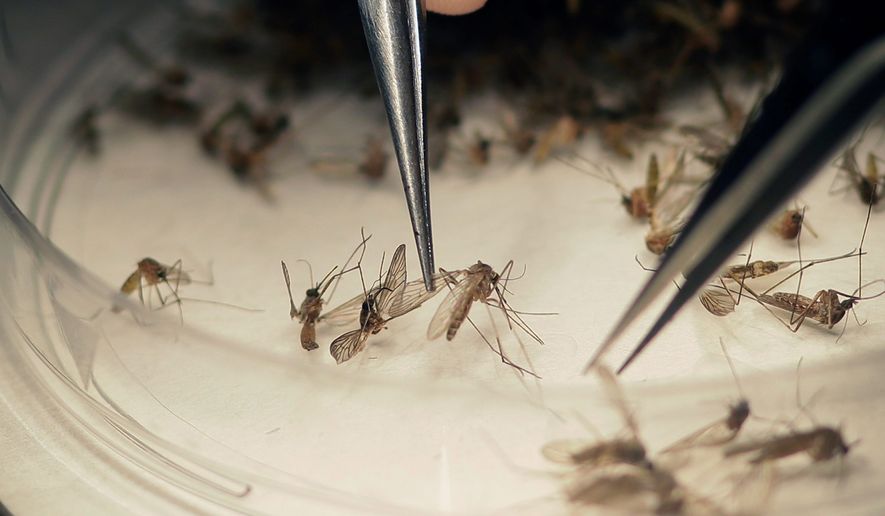

U.S. agencies are wholly unprepared when it comes to protecting the public from diseases carried by mosquitoes, ticks and fleas, according to a new report by the Centers for Disease Control and Prevention.
Over 80 percent of pest control organizations lack the capacity to handle increasing rates of new disease carried by a growing population of infected mosquitoes, ticks and fleas. The CDC said these organizations require improvement in one or more of five “core competencies,” such as testing for pesticide resistance.
Between 2004 and 2016, diseases from mosquito, ticks and flea bites have tripled in the U.S. for a total of 640,000 people sickened. The CDC said more people are at risk as increased international travel carries insects around the world, and infected travelers can introduce and spread germs.
Mosquitoes and ticks are also spreading germs into new areas in the U.S., putting more people at risk. Instances of Chikungunya and Zika, with outbreaks first in 2006 and 2015, respectively, have put the viruses on the CDC’s radar as more likely to frequently occur.
Also worrying are new germs or recent discoveries of disease-causing bacteria since 2004, of which scientists have identified seven in ticks.
The CDC is also concerned about the rising rates of plague, carried by fleas, and previously reported in southwestern states.
From ticks, the public has contracted Lyme disease; Anaplasmosis/ehrlichiosis; Babesiosis; Powassan virus; Spotted fever rickettsiosis; and Tularemia.
Diseases from mosquito bites reported to the CDC by states in the U.S. include California serogroup viruses; Chikungunya virus; Dengue viruses; Eastern equine encephalitis virus; Malaria plasmodium; St. Louis encephalitis virus; West Nile virus; Yellow fever virus; and the Zika virus.
The CDC is urging the public to educate itself about proper protection from insect bites and said state and local health departments and pest control organizations should work to monitor and track mosquitoes and ticks locally.
A comprehensive action plan includes preparing to kill mosquitoes and ticks at every life stage; control vectors using multiple types of methods; conduct pesticide-resistance testing; and use data to drive local decisions about vector control.
• Laura Kelly can be reached at lkelly@washingtontimes.com.

Please read our comment policy before commenting.