



California hit record numbers of new infections of sexually transmitted diseases in 2017, with nearly 300,000 cases of chlamydia, gonorrhea and syphilis, according to a report by the state health department and published Monday.
The total number of cases represents a 45 percent increase over five years, according to a press release.
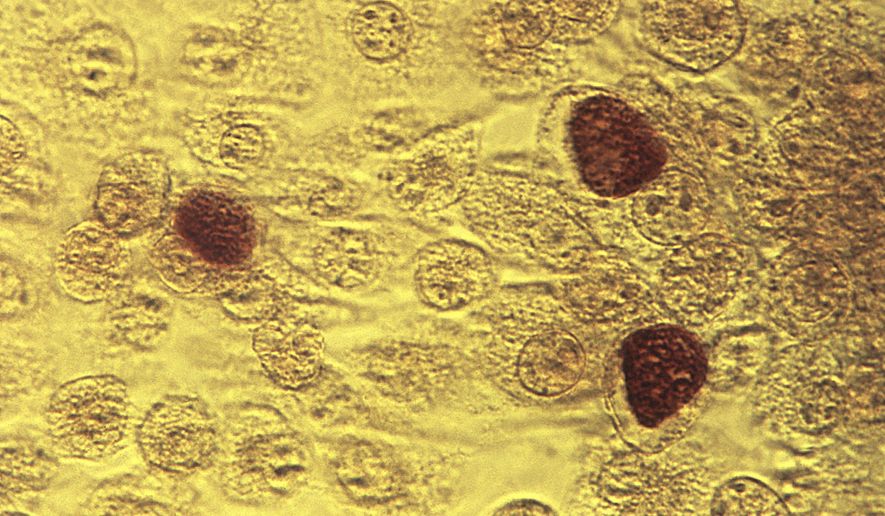
The most reported STD was chlamydia, with 218,710 cases reported in 2017. This was the highest number the state recorded since reporting began in 1990.
The diagnosis rate for chlamydia was 552.1 cases per 100,000 Californians, compared to 497.3 per 100,000 nationwide.
In California, chlamydia rates among women were 60 percent higher than among males, and 54 percent of cases were in people under the age of 25.
Gonorrhea rates, however, were two-fold higher in males than females. In total, there were 75,560 cases in 2017, representing a 16 percent increase from the year before, making the rate 190.5 cases per 100,000 Californians.
Nationally, the rate is 148.5 per 100,000.
Thirty-three percent of gonorrhea cases in California were in people under age 25.
If left untreated, both chlamydia and gonorrhea can lead to serious reproductive health problems such as pelvic inflammatory disease or infertility, according to the study. While health officials encourage routine screening for STD’s, they mention that emerging strains of gonorrhea are outpacing available antibiotics.
There were 13,605 early syphilis cases reported in 2017, people reporting the first stage of the disease marked by sores in or around the mouth and genitals. This represents an average infection rate of 34.3 cases per 100,000 Californians, higher than the national average of 8.7 per 100,000.
Female cases of syphilis increased early 7-fold from less than 250 early-cases reported in 2012. African-Americans had early-syphilis rates two-times higher than whites.
Testing and treatment are available for syphilis, which in adults is a bacterial infection and if left untreated can cause long-term health problems including brain disease. In women, it can also be passed to the baby, called congenital syphilis and can result in stillbirth, early death, or long-term infection.
California tragically reported a three-fold increase in stillbirths from congenital syphilis, with 30 occurring in 2017.
Another 278 babies were born with the infection, which can cause severe health problems including premature birth, low birth weight, birth defects, blindness and hearing loss.
• Laura Kelly can be reached at lkelly@washingtontimes.com.

Please read our comment policy before commenting.