



While overall life-expectancy in the U.S. increased over a 15 year period, rising death rates from drug overdoses shortened any accomplished gains, according to new federal data released this week.
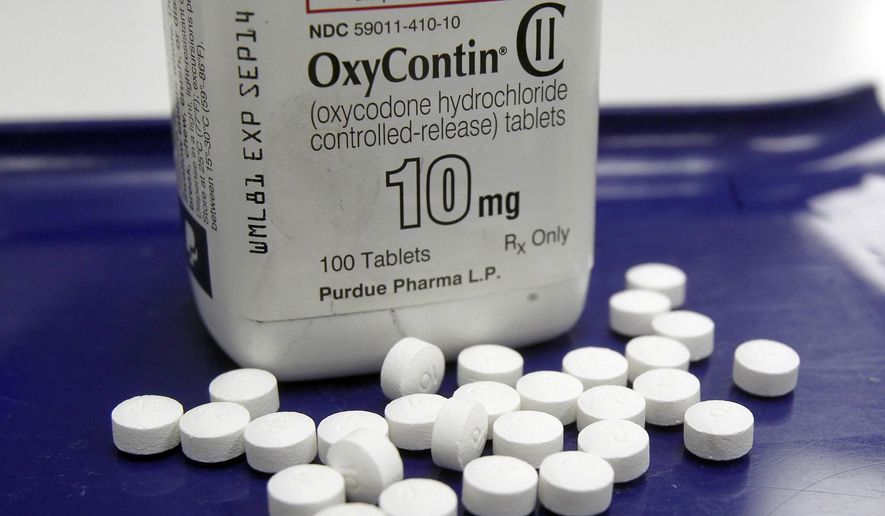
Average life-expectancy in the U.S. rose to 78.8 years in 2015, compared to 76.8 years in 2000. However, researchers found that increases in drug overdose deaths resulted in a loss of an average of three months (0.28 years) in life expectancy. Overdose deaths specifically related to opioids resulted in two and a half months (0.21 years) lost in overall life-expectancy.
The data was compiled by researchers from the Centers for Disease Control and Prevention and was published Tuesday in the Journal of the American Medical Association.
The increase in overall life expectancy was a result in successfully decreasing death rates from a number of health issues, including heart disease, cancer, cerebrovascular diseases, diabetes, influenza and pneumonia and chronic lower respiratory diseases.
However, drug overdoses, alcohol poisoning, chronic liver disease and cirrhosis all increased between 2000 and 2014, and accounted for shortening life expectancy rates between two and a half to three months.
Federal data estimates that over 64,000 people died from a drug overdose in 2016; over 33,000 peopled died from an opioid overdose deaths in 2015.
The researchers believe the number of drug overdose deaths are underreported, with a quarter of drug-poisoning deaths not attributed to a specific substance.
The author’s also note that the life-expectancy in the U.S. is lower than in most other high-income countries and had experienced a decline between 2014 and 2015.
“These findings suggest that preventing opioid-related poisoning deaths will be important to achieving more robust increases in life expectancy once again,” the authors concluded.
• Laura Kelly can be reached at lkelly@washingtontimes.com.

Please read our comment policy before commenting.