



The second phase of a Zika vaccine trial is underway, the National Institutes of Health announced Friday.
The study hopes to grow to nearly 2,500 healthy volunteers in countries that have experienced a Zika virus outbreak or are at risk. They include the continental United States, Puerto Rico, Brazil, Peru, Costa Rica, Panama and Mexico.
The experimental DNA vaccine stimulates an immune response, and scientists are further evaluating dosage levels for its effectiveness. Further study will help determine if the vaccine can prevent diseases caused by the Zika virus infection.
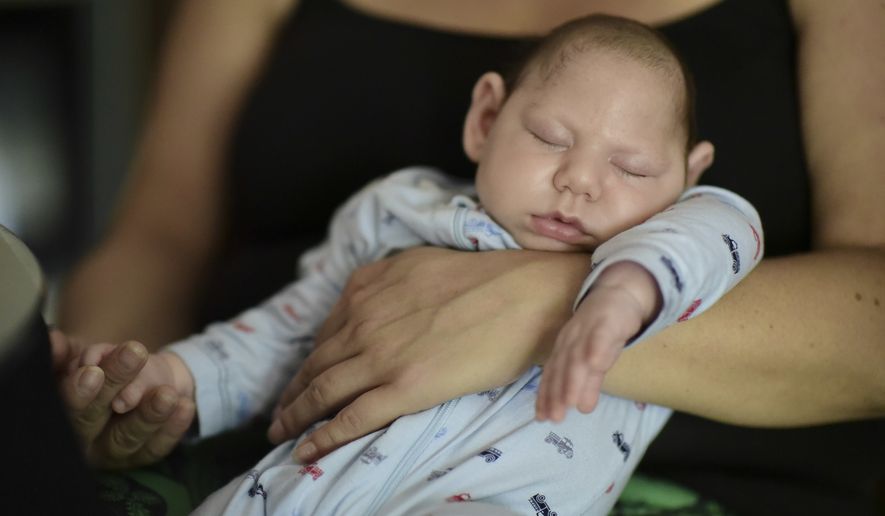
Zika has been linked to devastating birth defects, such as microcephaly, the abnormal development of the brain. It’s also linked to GBS, a disease where the immune system attacks nerves.
The study is being led by the National Institute of Allergy and Infectious Diseases (NIAID) under the auspices of the NIH.
“We are pleased to have advanced rapidly one of NIAID’s experimental Zika vaccines into this next stage of testing in volunteers. We expect this study will yield valuable insight into the vaccine’s safety and ability to prevent disease caused by Zika infection,” said NIAID Director Anthony S. Fauci, M.D. “A safe and effective Zika vaccine is urgently needed to prevent the often-devastating birth defects that can result from Zika virus infection during pregnancy. Evidence also is accumulating that Zika can cause a variety of health problems in adults as well. This trial marks a significant milestone in our efforts to develop countermeasures for a pandemic in progress.”
The trial is expected to conclude in 2019, but scientists hope to have preliminary data by the end of 2017.
• Laura Kelly can be reached at lkelly@washingtontimes.com.

Please read our comment policy before commenting.